

Reviewed by
Jarrett Dottin
Licensed Occupational Therapist dedicated to helping others live their best lives. Certified lymphedema therapist and amazon affiliate who has tested over 1,000 different products. About JD →
As an Amazon Associate I earn from qualifying purchases. Some links on this site are affiliate links, if you buy though them I may make a commission at no extra cost to you.
Quick Verdict
The Vive Sock Aid is built around a contoured plastic shell, foam-padded handles, and 33-inch adjustable cords, which is a straightforward design that solves a real dressing problem for people who can’t bend to reach their feet.
Clicking takes you to Amazon. As an Amazon Associate we earn from qualifying purchases — pricing and availability subject to change.
| Product | Vive Sock Aid |
|---|---|
| Handle Padding | 3 cm foam grip on each handle |
| Cord Length | 33 inches, adjustable with button adjustors |
| Cuff | Wide, slip-resistant cuff to keep sock in place |
| Material | Latex-free plastic shell |
| Warranty | 60 day Vive guarantee |
Removes the need to bend past 90 degrees at the hip
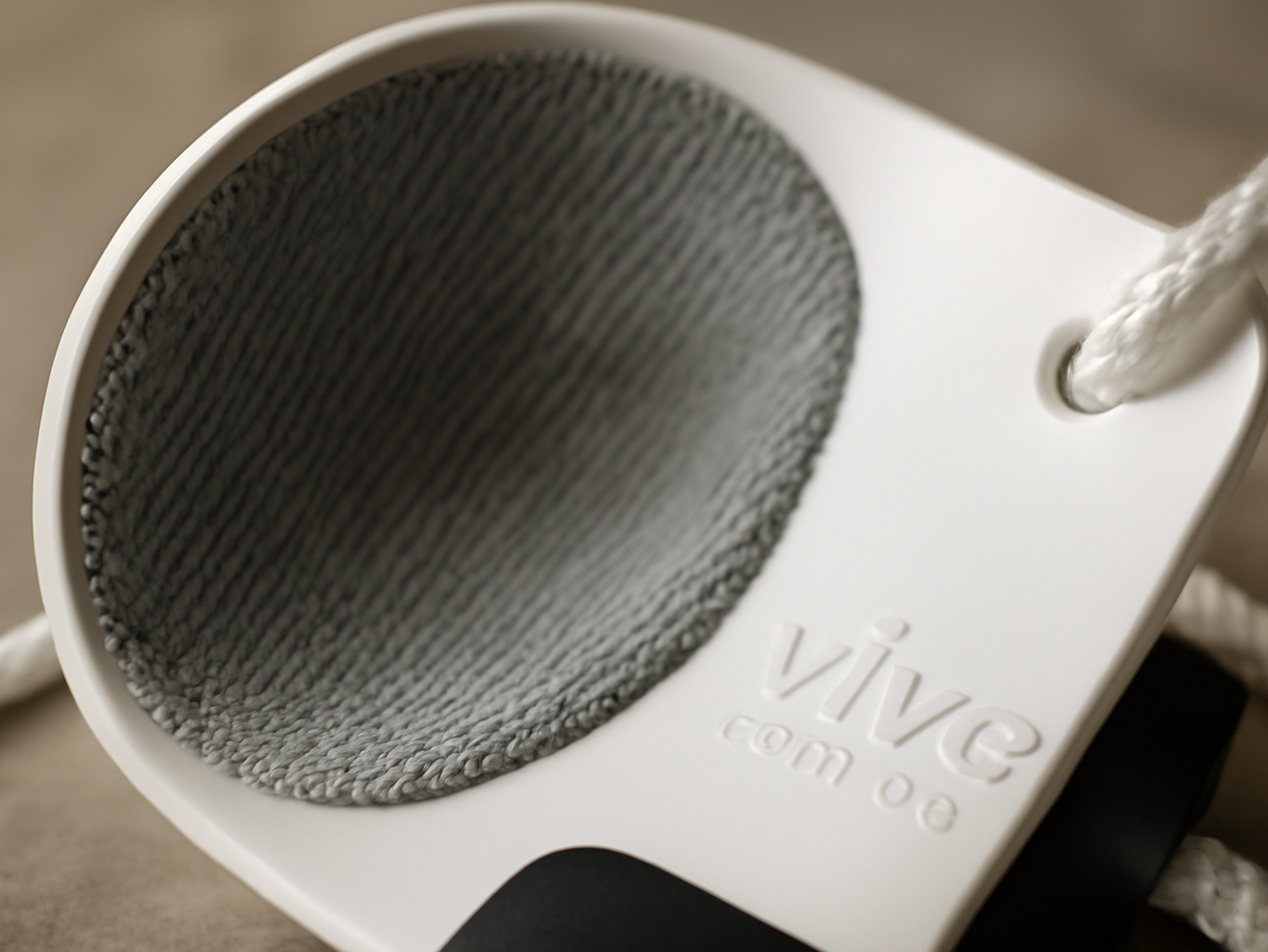
As an occupational therapist, I’ve watched patients struggle through morning routines that took 40 minutes because no one handed them the right tool. The first question I ask about any dressing aid is whether it actually changes the movement pattern, not whether it makes the task feel marginally less awful. Bending forward past 90 degrees at the hip is the exact motion that hip replacement precautions, lumbar surgery recovery, and a lot of balance-impaired seniors are told to avoid entirely. The Vive Sock Aid’s whole design, that contoured plastic shell you slide the sock over and then pull up with the two cords, exists to let someone stay upright in a chair while their foot does the reaching for them. That’s not a minor comfort feature. That’s the difference between independent dressing and needing a caregiver in the room every morning.
Rigid plastic shell resists compression and wear longer than foam designs
A rigid latex-free plastic shell doesn’t compress, sag, or lose its shape the way foam-heavy designs can after repeated daily use. The RMS Deluxe leans into cushioned handles and enhanced slip resistance, which reads as more comfortable in the hand but also introduces more material that can wear down over months of gripping and pulling. The Vive’s 3 cm foam padding sits only on the handles, leaving the load-bearing shell itself as solid plastic.
This isn’t built for someone with significant hand tremor or grip weakness severe enough that pulling two 33-inch cords with any tension becomes its own barrier. It also doesn’t solve the problem for very thick, stiff compression socks (the 20-30 mmHg or higher grades), since those need real stretch resistance that a slip-resistant cuff alone may not fully manage. And if someone can’t maintain seated balance long enough to reach a foot forward and thread it into the shell, no sock aid on the market changes that equation. In those cases the more appropriate referral is to an occupational therapist for a full seated dressing assessment, not another gadget purchase.
Works with thin socks; high-compression stockings may not stretch over the shell
The misconception I hear most often is that a sock aid is a universal fix regardless of sock type. It isn’t. A thin cotton crew sock behaves completely differently on this device than a firm compression stocking. The wide, slip-resistant cuff on the Vive is specifically meant to keep the sock seated on the shell so it doesn’t bunch or slide off mid-pull, but tighter compression socks resist stretching over that shell in the first place. If the primary use case is post-surgical compression hosiery, it’s worth checking the fabric grade against what the manufacturer describes the aid as handling before assuming it’ll glide on the same way a regular sock does.
What to Check Before You Buy One
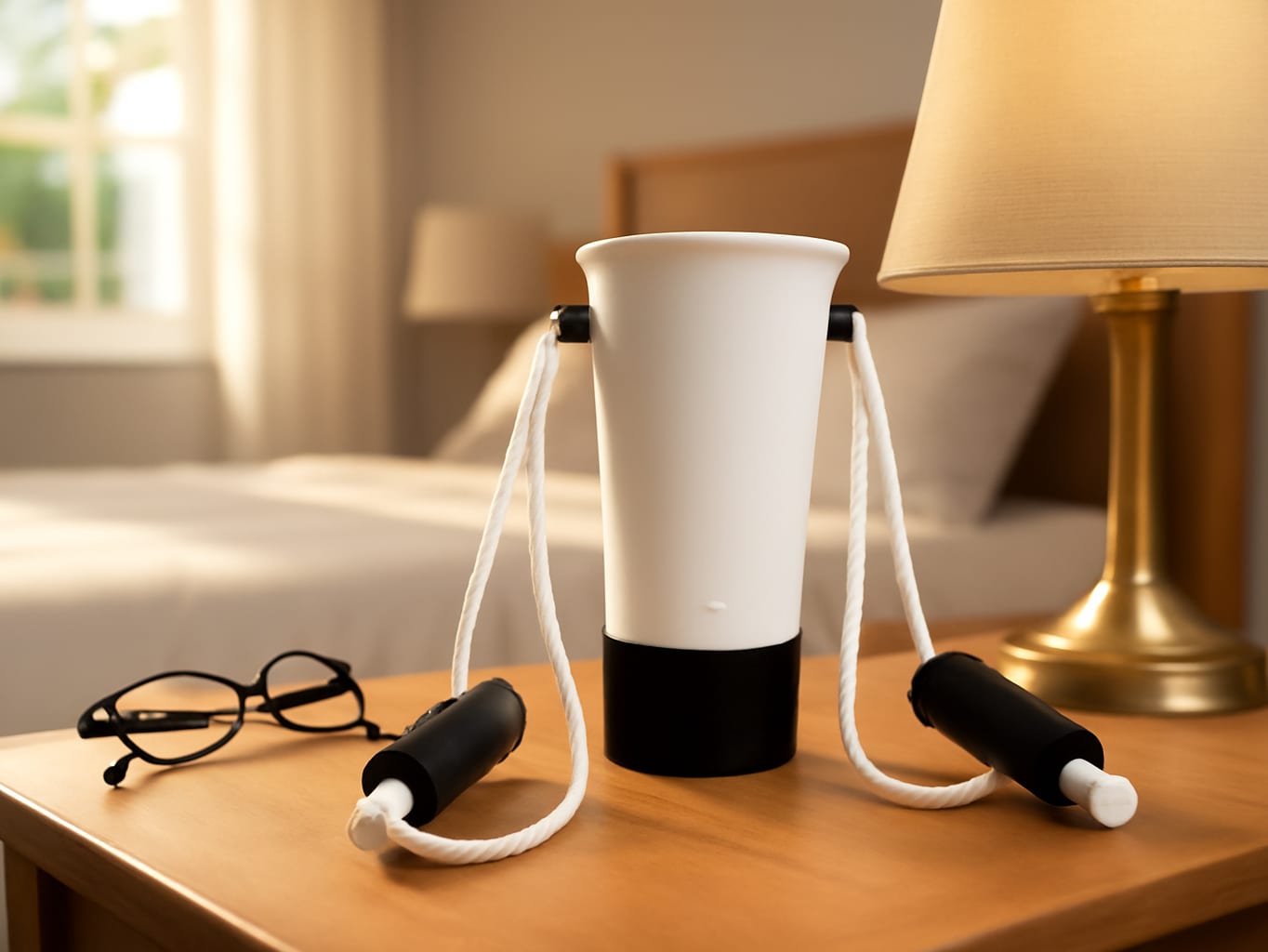
Cord length matters more than people expect. At 33 inches with button adjustors, the Vive lets you shorten the cords as your reach improves during recovery, which is a detail worth noting if this is a temporary post-op aid rather than a permanent one. Amazon currently has the Vive ranked #34,892 in Health & Household, and it’s actually selling better right now than its 90-day average of #46,802, with more than 500 units bought in the past month, so it’s not a niche pick. Amazon’s price on this fluctuates noticeably, it has sold for meaningfully less than its listed rate during sale windows, so click through and check before assuming the number you see today is what you’ll pay. Bottom line: if your hands ache after every pull and grip pain is your main complaint, spend up for the RMS Deluxe. If you’re post-hip-replacement, need something light for daily use, and aren’t dealing with severe hand weakness, the Vive Sock Aid is the one to buy, it does the job it’s designed for without making you pay for padding you won’t use.
Pros
- Contoured plastic shell keeps the shape needed to actually pull a sock into place
- Adjustable 33-inch cords accommodate changing reach as recovery progresses
- Wide slip-resistant cuff keeps the sock seated during the pull
- Lighter and more affordable positioning than cushioned competitors like the RMS Deluxe
- 60 day guarantee gives some room to test fit before committing
Cons
- Foam padding is limited to the handles, less cushioned than the RMS Deluxe for those with hand pain
- Not designed for very thick or high-compression stockings
- Requires enough seated balance and hip flexion tolerance to position the foot, so it’s not a fit for every mobility level
Frequently Asked Questions
Can a sock aid work with compression socks?
It depends on the compression grade. Lighter compression socks generally slide over the shell fine, but firmer medical-grade compression stockings resist stretching enough that they can be harder to seat on any sock aid, including this one.
Do I need any assembly or setup before using it?
No assembly is needed. The cords come attached to the shell, and the only adjustment is shortening or lengthening them with the button adjustors to match arm reach.
Will this replace a caregiver for dressing help entirely?
For many people recovering from hip or spine surgery, yes, it removes the need for someone else to put socks on daily. But if balance or seated positioning is unstable, a caregiver or OT should still assess dressing safety before relying on any device alone.
Get it now
Vive Sock Aid
Get the best price on Amazon →Affiliate link. See the disclosure at the top of this post.

About the reviewer
Jarrett Dottin
Licensed Occupational Therapist dedicated to helping others live their best lives. Certified lymphedema therapist and amazon affiliate who has tested over 1,000 different products.