

Reviewed by
Jarrett Dottin
Licensed Occupational Therapist dedicated to helping others live their best lives. Certified lymphedema therapist and amazon affiliate who has tested over 1,000 different products. About JD →
As an Amazon Associate I earn from qualifying purchases. Some links on this site are affiliate links, if you buy though them I may make a commission at no extra cost to you.
Quick Verdict
A 7.5 inch bed wedge pillow won’t cure sleep apnea, but the incline geometry on the Kolbs is the same positioning I set up for reflux and breathing clients every week. The 1.5 inch memory foam top makes it comfortable enough to actually stay on it all night, and the jacquard cover keeps it from screaming “hospital bed.” My take as an OT is below, along with who this incline works best for.
Clicking takes you to the seller's website. We may earn a small commission if you purchase, at no extra cost to you.
How a Bed Wedge Pillow Helps Three Common Conditions
The title asks if one wedge stops acid reflux, apnea, and back pain all at once. Straight answer: it doesn’t stop any of them outright, but it creates the elevated position that a lot of clinicians recommend for all three. That’s an important distinction. As an occupational therapist who positions people for reflux, breathing, and spinal comfort all the time, this bed wedge pillow is a tool that supports a position, not a medical device that treats a diagnosis. Elevating the torso keeps stomach acid down, opens the airway a touch, and takes some load off the low back. One wedge, three angles of benefit, zero cures.
What’s Inside the Kolbs Wedge
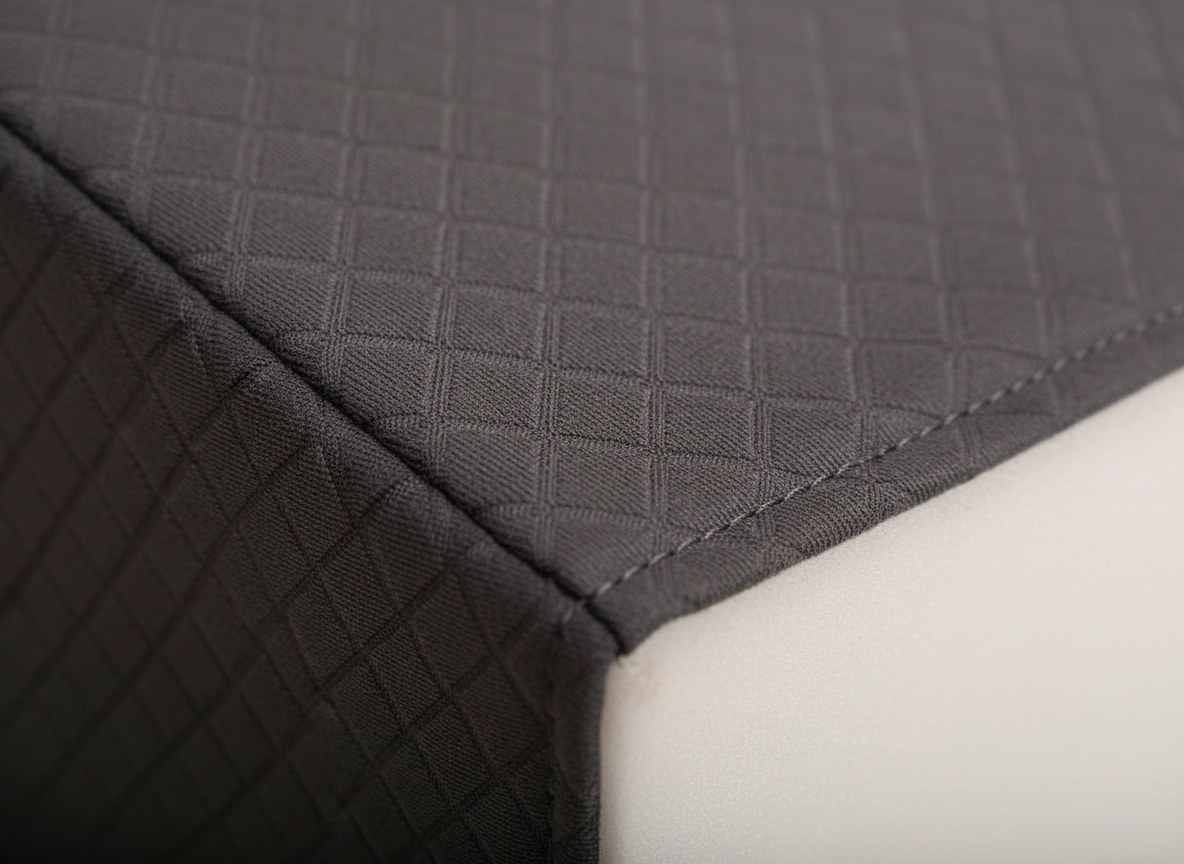
The version I’m looking at is the 7.5 inch height, measuring 24 by 24 by 7.5 inches. There’s also a taller 12 inch option at 25 by 25 by 12 if you want a steeper climb. The top is a 1.5 inch layer of plush memory foam sitting on a high-density medical-grade foam core, so you get a soft contact surface without sinking straight through to a hard base. The removable jacquard cover is machine washable and pulls off the triangle core, which matters more than people think when you’re dealing with nighttime reflux or a warm sleeper.
Where the 7.5 Inch Incline Earns Its Keep
The 7.5 inch height is the sweet spot for most first-time wedge users. Here’s why that matters. I’ve watched plenty of people buy the steepest wedge they can find for reflux, then slide down it all night and wake up crumpled at the bottom. A gentler 7.5 inch rise keeps you elevated enough to help keep acid down while staying comfortable enough that you don’t fight it. For back pain, that same angle takes pressure off the lumbar spine when you’re on your back, and it gives you a stable surface to lean into if you read in bed. The memory foam top is the part that makes it livable, because a bare foam wedge feels like sleeping on a ramp.
The Sliding-Down Problem Is Real
Every wedge has one weakness, and it’s gravity. Any incline pillow, this one included, invites you to slowly slide toward the foot of the bed over the course of a night, especially if you’re a mover. The 7.5 inch height reduces that compared to the 12 inch, but it doesn’t erase it. In my experience positioning clients, the fix is a small pillow or bolster under the knees to break the slide, and choosing the lower height if you don’t strictly need the steeper angle. If you specifically bought a wedge for severe reflux and your provider wants a steeper incline, know going in that the taller version trades comfort for that slide.
Get it now
Kolbs Bed Wedge Pillow
Get the best price on Amazon →As an Amazon Associate I earn from qualifying purchases. Some links on this site are affiliate links, if you buy though them I may make a commission at no extra cost to you.

Who This Wedge Actually Suits
This is a strong pick for the over-40 crowd dealing with nighttime reflux, mild positional snoring, or a low back that complains when it’s flat. It’s also a practical option for anyone I’d call a chronic care positioner: someone managing COPD, heart failure, venous issues, or reduced mobility who needs consistent torso elevation. The jacquard cover is a genuine plus here because it doesn’t read as clinical, which makes people more willing to keep it on the bed. It doubles nicely as a reading backrest too, so it isn’t sitting in a closet the nights you don’t strictly need the incline. As a bed wedge pillow for elderly users especially, the 7.5 inch height is the friendlier starting point.
How It Compares to a Stack of Regular Pillows
The real competition for this wedge isn’t another wedge, it’s the pillow stack every reflux sufferer builds at midnight and kicks to the floor by 3 a.m. Pillows compress unevenly under torso weight, so what starts as a 7-inch rise is a 2-inch hump by morning, and your neck pays the difference. The Kolbs holds a fixed 7.5 inch angle from top to bottom because the core is dense foam, not fluff. Where a pillow stack wins is cost and flexibility, since you already own pillows. Where it loses is every other metric that matters for reflux or breathing: consistency, alignment, and not waking up mid-slide with pillows on the floor.
My Advice Before You Buy
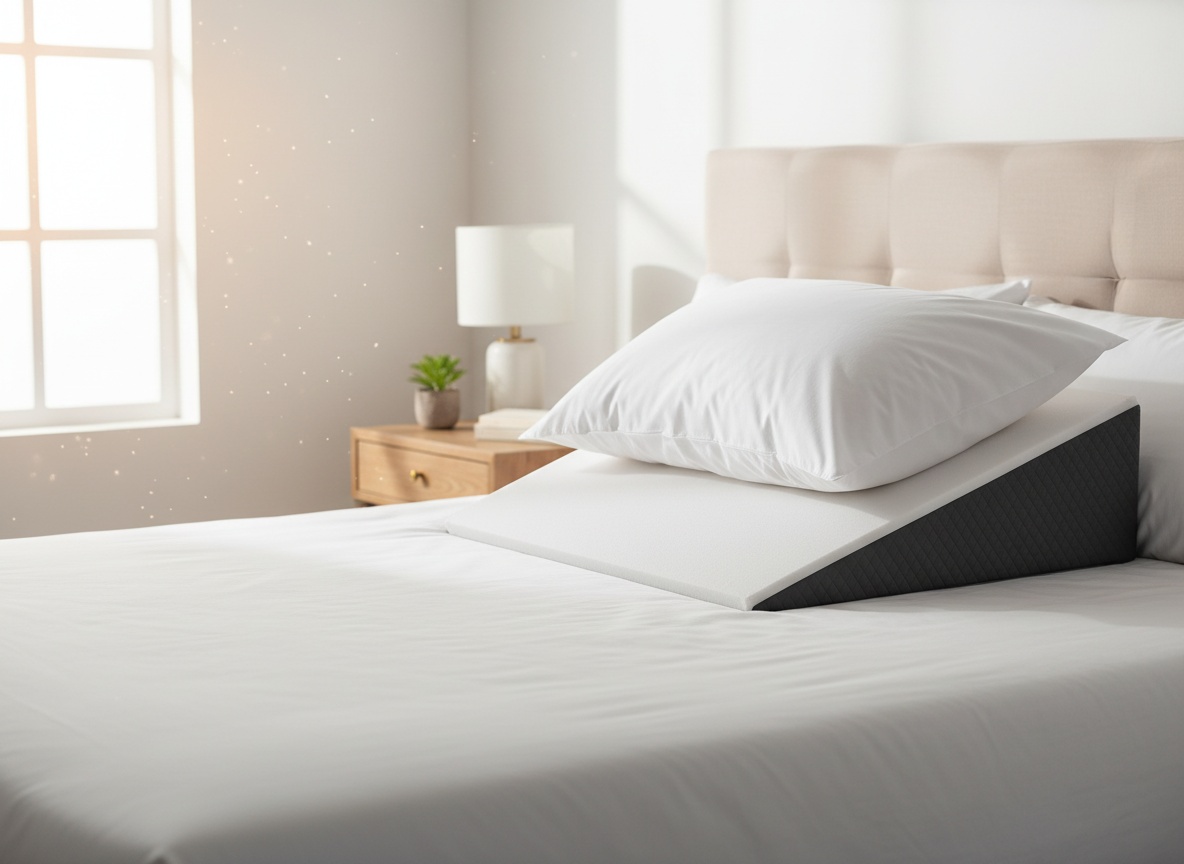
Pick the 7.5 inch unless a clinician handed you a specific target angle. The 12 inch sounds more therapeutic, but in practice the steeper rise is where sliding becomes a real problem, I’ve seen clients wake up flat on the mattress with the wedge somewhere behind them. If your provider wants more than 7.5 inches of elevation, that’s the one exception worth the trade-off. Give any new memory foam a day or two to air out and fully expand before you judge the feel. Keep a spare pillowcase-style cover in rotation since the jacquard one comes off and washes, and if reflux is your main reason, avoid heavy meals close to bedtime because no wedge outruns a full stomach. And it’s FSA eligible, so check whether your account can cover it.
Pros
- The 7.5 inch incline hits the practical sweet spot for reflux, mild snoring, and back comfort
- 1.5 inch memory foam top over a dense core keeps it comfortable instead of feeling like a hard ramp
- Jacquard cover is removable and machine washable, and doesn’t look clinical
- Doubles as a stable reading backrest
- FSA eligible and made by an established medical products company
Cons
- You can still slide toward the foot of the bed overnight, like any wedge
- New memory foam needs time to air out and expand before it feels right
- It supports a helpful position, it does not treat or cure apnea, reflux, or back pain
Frequently Asked Questions
Should I get the 7.5 inch or the 12 inch height?
Get the 7.5 inch for general reflux, reading, and back comfort, because it’s comfortable and you slide less. Choose the 12 inch only if a clinician specifically wants steeper torso elevation. Taller trades comfort for angle.
Will this fit against my headboard?
Yes, the flat back edge is meant to sit flush against a headboard or wall. The 24 by 24 inch base fits comfortably on most twin through king mattresses without hanging off. Just leave room so it isn’t wedged at an angle by the frame.
Can I wash the cover?
Yes, the jacquard cover unzips off the foam core and is machine washable. The foam itself should not go in the washer. Keeping a second cover handy makes reflux and warm-sleeper nights a lot easier to manage.
Is it firm or soft?
It’s supportive with a soft contact surface. The 1.5 inch memory foam top gives you cushion, while the high-density core underneath keeps the incline from collapsing. You feel plush at the surface but the angle stays stable all night.
Does the memory foam smell when it’s new?
New memory foam often has a mild off-gassing odor at first. Let it air out in a ventilated room for a day or two before sleeping on it. The smell fades and isn’t a defect.
Is this good for someone with limited mobility or an older adult?
Yes, the 7.5 inch is the version I’d recommend for older adults specifically because getting on and off a 12 inch wedge is awkward enough that people stop using it. For anyone managing COPD, heart failure, or venous pooling who needs torso elevation every night, consistency matters more than angle. That said, if positioning is part of a care plan, loop in whoever wrote it before you swap out what they prescribed.
Is the Kolbs wedge FSA eligible?
Yes, it’s listed as FSA eligible. Save your receipt and check your specific plan’s rules, since eligibility can require a letter of medical necessity depending on your administrator.
Can I use it on my side, not just my back?
You can, though wedges shine most for back sleeping where the incline lines up with your torso. Side sleepers still get some elevation benefit but may want an extra pillow to fill the shoulder gap and keep the neck neutral.
Get it now
Kolbs Bed Wedge Pillow
Get the best price on Amazon →As an Amazon Associate I earn from qualifying purchases. Some links on this site are affiliate links, if you buy though them I may make a commission at no extra cost to you.
About the reviewer
Jarrett Dottin
Licensed Occupational Therapist dedicated to helping others live their best lives. Certified lymphedema therapist and amazon affiliate who has tested over 1,000 different products.